
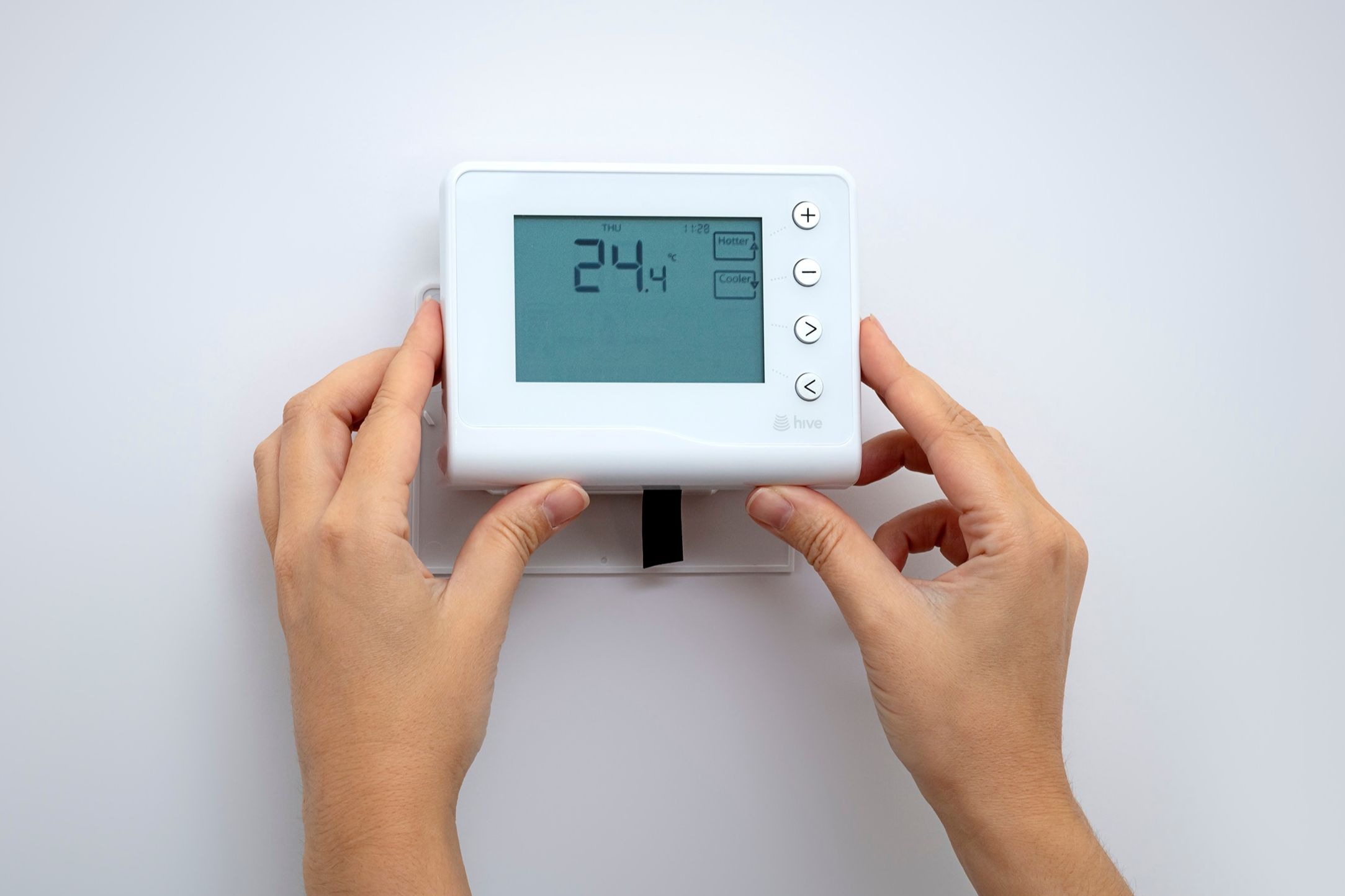
A thermostat might be one of the smallest components in your entire HVAC system, but it’s also one of the most important; it’s the control center determining when your heating and cooling actually run. When it stops working reliably, or you’re simply ready to upgrade to something smarter, understanding realistic thermostat replacement cost expectations helps you budget appropriately and avoid overpaying for what’s often a fairly straightforward job.
What Determines Thermostat Replacement Cost
Cost to replace a thermostat varies based on several key factors:
- The type of thermostat you’re installing (basic programmable versus a full smart thermostat)
- Whether your existing wiring is compatible with the new unit or requires modification
- Labor rates in your specific area
- Whether you’re replacing a single thermostat or installing a multi-zone system
- Whether you handle installation yourself or hire a professional
Understanding these variables helps set realistic expectations before comparing quotes or shopping for a replacement unit.
Programmable vs Smart Thermostat Price
The programmable vs smart thermostat price comparison is often the first decision point for homeowners considering an upgrade. Basic programmable thermostats let you set different temperatures for different times of day, offering solid energy savings potential at a relatively modest cost. Smart thermostats add considerably more functionality: remote control via a smartphone app, learning algorithms that adapt to your schedule, and integration with other smart home systems, typically at a meaningfully higher price point than basic programmable models, though many homeowners find the added convenience and potential energy savings worth the difference.
Nest or Ecobee Installation Cost
Among smart thermostat options, Nest or Ecobee installation cost questions come up frequently, since these are two of the most recognized brands in the smart thermostat space. Pricing for these units themselves varies by specific model and feature set, and installation cost on top of the unit price depends largely on your home’s existing wiring compatibility. A straightforward swap with compatible wiring costs considerably less than a situation requiring additional wiring work to support the smart thermostat’s power requirements.
Thermostat Wiring Compatibility
Thermostat wiring compatibility is one of the biggest factors affecting both cost and installation complexity, particularly for smart thermostat upgrades. Many smart thermostats require a “C-wire” (common wire) to provide continuous power, and older homes without this wire already in place may need additional wiring work or a compatible adapter to support the new unit. Confirming wiring compatibility before purchasing a specific thermostat model can help you avoid an unexpected cost increase once installation begins.
Thermostat Replacement Labor Cost
For professional installation, thermostat replacement labor cost typically reflects a relatively quick, straightforward job for a standard single-zone replacement with compatible existing wiring. Costs increase somewhat if wiring modifications are needed, if the installation involves a multi-zone system, or if the technician needs to diagnose and resolve any underlying compatibility issues discovered during the swap.
Multi-Zone Thermostat Installation Cost
For homes with separate heating and cooling zones, multi-zone thermostat installation cost runs higher than a single-thermostat replacement, since each zone requires its own thermostat and corresponding wiring verification. Multi-zone systems also sometimes require additional configuration to ensure the thermostats communicate properly with the broader HVAC system’s zoning controls, which can add to overall installation complexity and cost compared to a simple single-zone swap.
Smart Thermostat Installation Cost Considerations
Beyond the unit price itself, smart thermostat installation cost can include a few additional considerations not present with basic programmable models: Wi-Fi network setup and connectivity confirmation, app account configuration, and in some cases, a brief walkthrough of the smart features so you’re comfortable using them afterward. Some installers include this setup assistance as part of their standard installation service, while others may treat it as a separate line item, so it’s worth clarifying what’s included in your specific quote.
DIY vs Professional Thermostat Installation
The DIY vs professional thermostat installation decision often comes down to your comfort level with basic electrical work and your existing system’s wiring situation. Many homeowners successfully install a straightforward replacement thermostat themselves, particularly when swapping a like-for-like unit with compatible wiring already in place. However, situations involving wiring compatibility issues, multi-zone systems, or integration with more complex HVAC controls are generally better handled by a professional, both to avoid installation errors and to ensure the new thermostat is properly configured for your specific system.
Cost Factors for Thermostat Replacement Beyond the Unit Itself
Beyond the thermostat unit and basic labor, a few additional cost factors for thermostat replacement are worth keeping in mind:
- Whether your HVAC system is older and may reveal compatibility quirks not present with newer equipment
- Whether existing wiring needs to be extended or replaced
- Whether you’re bundling the thermostat replacement with other HVAC service, which sometimes offers combined pricing advantages
- Any diagnostic time needed if the original issue prompting replacement wasn’t clearly a thermostat problem to begin with
Thermostat Replacement vs Repair
Understanding thermostat replacement vs repair helps clarify which path makes more sense for your specific situation. Repair might be appropriate for a relatively new thermostat experiencing an isolated issue, such as a loose wire connection or a simple calibration problem. Replacement generally makes more sense for older units, especially those using outdated technology like mercury switches, or when you’re looking to upgrade to smart thermostat functionality regardless of whether the current unit is technically still working.
Signs Your Thermostat Needs Replacing
Recognizing signs your thermostat needs replacing helps you plan proactively rather than dealing with an unexpected failure:
- Your HVAC system doesn’t respond consistently to temperature adjustments
- The thermostat display is dim, blank, or malfunctioning
- Your home’s temperature seems consistently inaccurate compared to the thermostat’s displayed reading
- The unit is old enough that replacement parts are difficult to find
- You want smart features that your current basic model simply doesn’t offer
Average Thermostat Lifespan
Understanding the average thermostat lifespan helps inform your replacement timing decisions. Most thermostats last a good number of years with normal use, though electronic components can naturally degrade over time, and older mechanical or basic digital models often become candidates for replacement simply due to age and outdated technology rather than an outright failure.
Thermostat Replacement for HVAC Systems
Certain thermostat replacement for HVAC systems situations require particular attention to compatibility, especially for heat pump systems, which often require thermostats specifically designed to manage their unique heating and cooling cycle differently than a standard furnace and air conditioner setup. Confirming your new thermostat is genuinely compatible with your specific HVAC system type, not just your home’s wiring, helps avoid performance issues after installation.
Same-Day Thermostat Replacement
For straightforward replacements, many HVAC companies and electricians offer same-day thermostat replacement service, since this is typically a quick job that doesn’t require extensive scheduling lead time compared to larger HVAC repairs or installations.
Thermostat Replacement Warranty
A quality thermostat replacement warranty typically includes both the manufacturer’s warranty on the thermostat unit itself and, if professionally installed, a separate installation warranty covering the labor. Confirming what’s covered and for how long before finalizing your purchase and installation provides peace of mind if any issues arise shortly after the new unit is in place.
Finding Thermostat Installation Near Me
When searching for thermostat installation near me, look for:
- Technicians experienced with your specific thermostat brand or type, particularly for smart thermostat models
- Transparent pricing that clarifies what’s included in labor versus the unit cost itself
- Availability for same-day or quick-turnaround service
- Positive reviews mentioning clean, efficient installation and helpful setup assistance for smart features
Getting an Accurate Cost Estimate
Because new thermostat cost and installation pricing genuinely vary based on your specific system, wiring situation, and chosen thermostat type, the most reliable way to get an accurate number is to have a technician assess your specific setup rather than relying on general price ranges alone. Many companies offer straightforward quotes for standard replacements without requiring an extensive diagnostic visit, particularly for simple single-zone swaps.
Final Thoughts
Replacing a thermostat is typically one of the more affordable and straightforward HVAC-related updates you can make, whether you’re addressing a malfunctioning unit or upgrading to smart functionality for better energy management and convenience. Understanding what affects thermostat replacement cost wiring compatibility, thermostat type, and whether you handle installation yourself or hire a professional helps you budget accurately and choose the right approach for your specific home. If you’re ready to replace your thermostat, reach out to a trusted local HVAC technician or electrician today for a quote and professional installation.
Frequently Asked Questions
Is it worth paying more for a smart thermostat versus a basic programmable one? Many homeowners find the additional convenience, remote control, and potential energy savings worth the higher upfront cost, though a basic programmable thermostat can still offer solid energy savings at a lower price point.
Can I install a thermostat myself, or should I hire a professional? A straightforward like-for-like replacement with compatible wiring is often manageable for DIY installation, but situations involving wiring compatibility issues or multi-zone systems are generally better handled by a professional.
Why do some smart thermostats require additional wiring work? Many smart thermostats require a C-wire (common wire) for continuous power, and older homes without this wire already installed may need additional wiring work or a compatible adapter.
How do I know if my thermostat needs replacing or just repairing? Repair may be appropriate for a relatively new unit with an isolated issue, while replacement generally makes more sense for older units or when you’re looking to upgrade to smart functionality.
Do heat pump systems need a special type of thermostat? Often, yes. Heat pump systems typically require thermostats specifically designed to manage their unique heating and cooling cycle, so confirming compatibility with your specific HVAC system type is important before purchasing.