There is nothing quite like a Georgia summer. However, when the temperatures soar into the 90s and the humidity climbs, a functioning air conditioner is not just a luxury; it is a safety necessity. If your system fails during a peak heatwave, the situation can quickly become uncomfortable and even dangerous.
Knowing the right steps to take can protect your health and your equipment. While some minor issues can be troubleshot at home, others require immediate professional attention. This guide outlines what to do when your cooling system fails and when to seek Emergency AC repair North Georgia homeowners rely on.
Step 1: Stay Safe and Cool Immediately
Before troubleshooting the machine, prioritize the people in your home. High heat and humidity can lead to heat exhaustion or heat stroke, especially for children, the elderly, and pets.
Immediate Safety Measures:
- Hydrate: Drink plenty of water, even if you don’t feel thirsty.
- Close Blinds: Block out direct sunlight to keep indoor temperatures lower.
- Use Fans: Circulate air with ceiling or box fans to create a wind-chill effect.
- Relocate: If the indoor temperature becomes unsafe, consider staying with family, friends, or visiting a local cooling center.
Once everyone is safe, you can begin diagnosing the AC unit.
Step 2: Quick Troubleshooting Checks
Sometimes, the issue is minor and can be resolved without a service call. Before panicking, check these three common culprits.
1. Check the Thermostat
Ensure your thermostat is set to “Cool” and not “Heat” or “Off.” Verify that the temperature setting is lower than the current room temperature. If you have a smart thermostat, check the battery levels or Wi-Fi connection.
2. Inspect the Circuit Breaker
Power surges during storms are common in North Georgia. Go to your electrical panel and check if the breaker for the AC unit has tripped. If it has, switch it fully off and then back on. Warning: If the breaker trips again immediately, do not keep resetting it. This indicates an electrical fault that requires professional help.
3. Change the Air Filter
A clogged air filter restricts airflow, causing the system to freeze up or shut down. If your filter is dirty, replace it immediately. This is one of the most common reasons for reduced cooling efficiency during peak summer usage.
When to Call for Emergency AC Repair
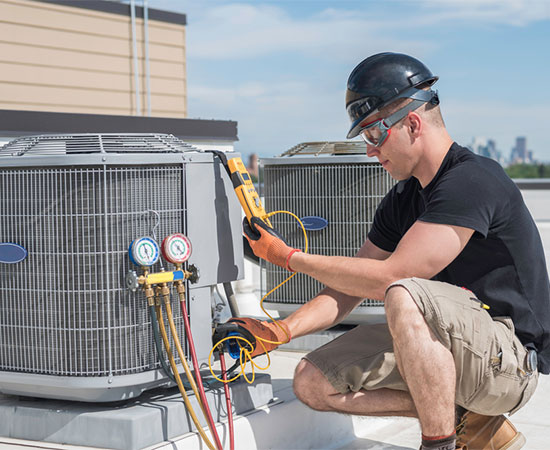
If the basic checks above do not restore cooling, you likely have a mechanical or refrigerant issue. Continuing to run a broken unit can cause permanent damage to the compressor. More importantly, living without cooling in North Georgia during a heatwave is a health risk.
You should call for Emergency AC repair North Georgia services if you notice:
- Warm Air: The fan is running, but the air blowing from vents is not cold.
- Strange Noises: Grinding, screeching, or banging sounds from the outdoor unit.
- Weak Airflow: Very little air is coming out of the vents.
- Moisture or Leaks: Water pooling around the indoor unit or refrigerant leaks.
- Burning Smells: This indicates an electrical issue and requires immediate power shutdown.
Why Local North Georgia Expertise Matters
HVAC systems in North Georgia face unique challenges. The high humidity levels require systems that not only cool but also dehumidify effectively. Additionally, the region’s clay soil can shift outdoor condenser units, and frequent summer storms can cause power fluctuations that damage sensitive electronics.
When searching for Emergency AC repair North Georgia, choosing a local technician ensures they understand these specific environmental factors. Local companies can also respond faster during widespread outages caused by regional storms. They are familiar with local codes and have access to parts specific to the models commonly installed in our area.
Preventing Future Breakdowns
While emergencies happen, regular maintenance is the best defense against mid-summer failures.
- Schedule Spring Tune-Ups: Have a professional inspect your system before the heat arrives.
- Keep the Outdoor Unit Clear: Ensure there is at least two feet of clearance around your condenser unit. Remove grass, leaves, and debris.
- Install a Surge Protector: Protect your HVAC electronics from lightning strikes and power surges common in Georgia summers.
- Upgrade Old Units: If your AC is over 10-15 years old, consider replacement. Modern units are more energy-efficient and reliable.
Conclusion
A broken AC during a Georgia heatwave is stressful, but staying calm and acting quickly makes all the difference. Prioritize safety, perform basic troubleshooting, and know when to call in the experts. Don’t wait until the heat becomes unbearable to seek help.